Asian stocks dip, bonds in focus after torrid September

Asian stocks were subdued on Thursday and global bonds remained under pressure after a brutal September as investors weighed a slower-than-expected rise in US inflation in August that lessens the probability of a rate hike later this month.
Blockbuster earnings from AI chipmaker Micron failed to lift the frayed mood in Asia, while stalling peace talks between the US and Iran to end the seven-month-long war in the Middle East kept oil prices elevated to further subdue sentiment.
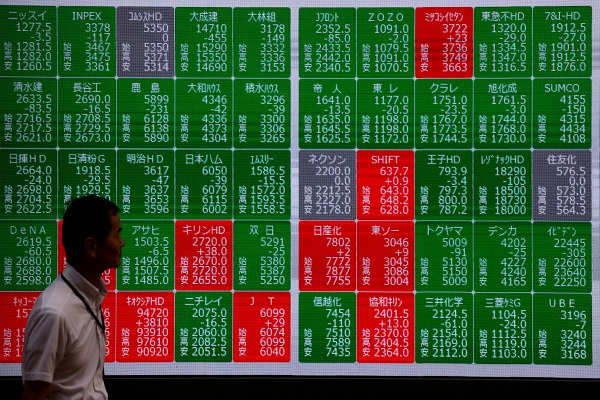
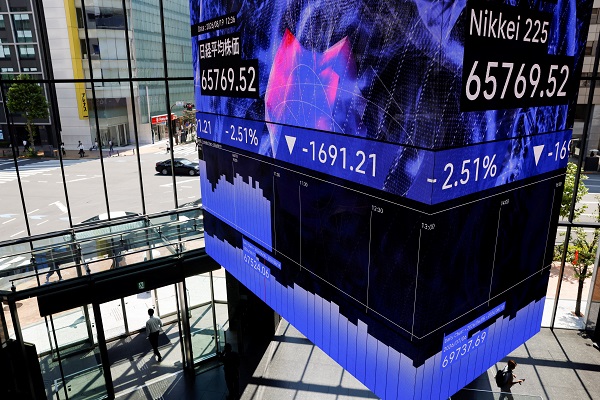
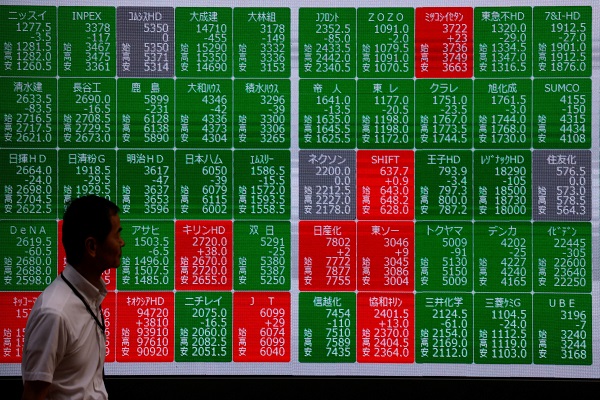
MSCI's broadest index of Asia-Pacific shares outside Japan was down 0.2%, with South Korea's KOSPI easing 0.14%. Japan's Nikkei though was up over 1% as chip-related shares rose.
Futures for the Nasdaq and S&P 500 were up 0.3%. European stock futures slid 0.75% in early trading.
"Micron’s numbers are another strong validation of AI and memory demand, but markets may increasingly be asking whether we are closer to peak memory shortage, even if demand continues to exceed supply," said Charu Chanana, chief investment strategist at Saxo.
"The macro backdrop is also becoming more mixed. Softer US data has taken some pressure off Fed expectations and shorter-term yields, but long-term yields remain high, so the cost-of-capital concern has not really gone away," Chanana said.
Bond yields surged in September as prices tumbled, with soaring energy costs sparking inflation fears and the AI boom boosting economic growth, leaving investors bracing for a period where interest rates stay higher for longer.
The yield on benchmark US 10-year Treasury notes hit 5.306%, the highest level since mid-June 2007, while the 30-year Treasury yield was at 5.634% after hitting 5.6517% in the previous session, its highest level since June 2002.
Market focus has been on how long US Treasury yields stay above the psychologically important 5% level.
"In the US, we have surpassed $40 trillion of debt and the fiscal situation shows no sign of improving. So 5% alone, in absolute terms, doesn't really say much, especially when you think about it in a historical context," said Darren Shames, global head of rates sales at Nomura.
"But I think it's the trajectory of the rate move, the velocity that is really getting the attention of investors.”
SOFTER US INFLATION TEMPERS RATE HIKE BETS
Data on Wednesday showed US inflation increased less than expected in August and price pressures were more moderate in the prior month than previously reported, leading traders to rein in wagers of a Federal Reserve rate hike on October 28.
Traders are now pricing in a 38% chance of a hike this month, versus 50% a day earlier, CME's FedWatch tool showed. The Fed raised rates in September for the first time in three years, and flagged further increases in borrowing costs in the months ahead.
The odds of an October rate hike were also diminished by New York Fed President John Williams' comments on Tuesday that he saw "no urgency" for further action.
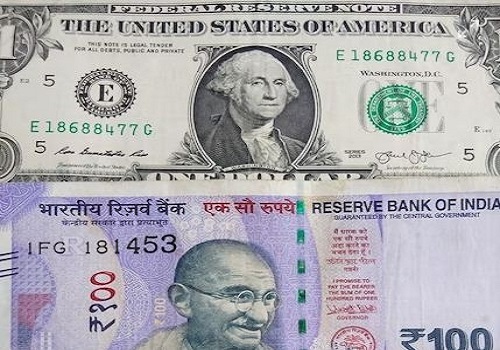
The US dollar stood firm near a two-month high, supported by elevated Treasury yields. The euro was steady at $1.1334 after dropping 2.5% last month. The Japanese yen was 0.3% softer at 157.95 per dollar after rising 1.5% in September.
Some Bank of Japan policymakers saw the need to accelerate the pace of interest rate hikes, a summary of opinions at its September meeting showed on Thursday.
In commodities, oil prices were mostly flat in early trading as investors assessed the outcome of US-Iran peace talks and the outlook for Middle East crude exports.
Brent crude futures were at $98.15 a barrel after surging over 14% last month, a third straight month of gains. [O/R]