AI can unleash $550 billion for 5 pivotal sectors in India by 2035

Artificial intelligence (AI) has the potential to contribute $550 billion to five priority sectors -- agriculture, education, energy, healthcare and manufacturing -- in India by 2035 at a nominal level, positioning the country as a potential global benchmark for how emerging economies can deploy AI in a manner that is both transformative and equitable, said a PwC India report released at the World Economic Forum's (WEF) annual meeting here on Friday.
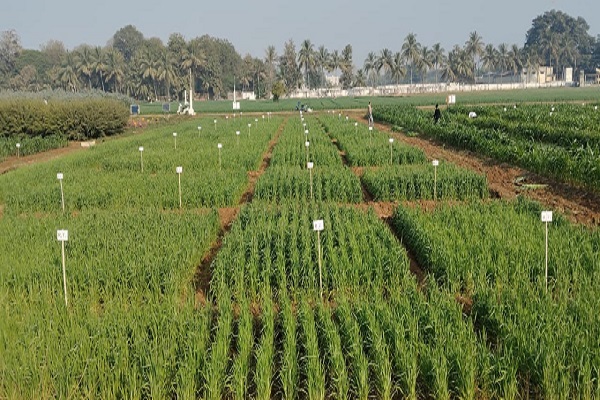
The report showed that AI can be a driver of sectoral growth, from boosting crop productivity and reducing agri-waste to improving school governance, cutting power theft, accelerating disease detection, and enhancing manufacturing quality.
Real world pilots already demonstrate this potential: AI enabled crop advisories delivered double digit efficiency gains, smart metering flagged high accuracy theft cases, and AI driven TB detection improved notification rates dramatically. Scaling such applications, even to modest levels, could save hundreds of millions annually, said the report.
"Al is more than a technological leap; it's a nation building force. It gives us the power to reimagine growth not just in GDP terms, but through a people first lens. By investing in infrastructure, talent, and governance, we can ensure that innovation and equitable development move hand in hand. This is how we shape a Viksit Bharat that leads the world," explained Sanjeev Krishan, Chairperson, PwC in India
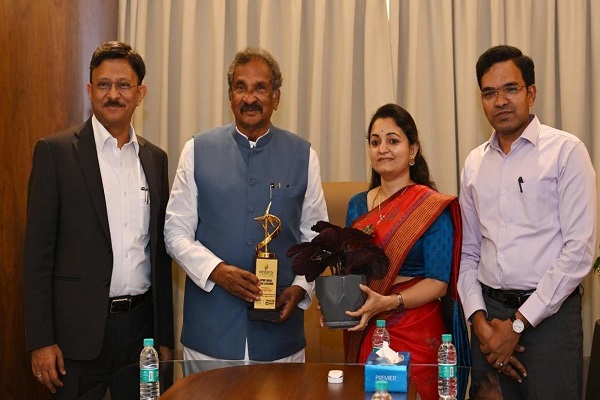
Maharashtra Chief Minister Devendra Fadnavis, while unveiling the report here, said, "AI is revolutionising all spheres of life, and we are embedding it in governance to democratise its impact”.
“We have done well in creating a strong digital infrastructure, and we are now in a position to leverage data to drive deeper digitisation. We have developed an AI?based application for farmers, available in Marathi, which is being actively used to understand crop cycles and the appropriate understanding around pesticide usage. At the same time, we are building an innovative city that will help push the state’s larger AI agenda. EODB is another key focus area. In Maharashtra, we have recently cancelled 17 laws as part of our decriminalisation drive,” he noted.
In the report, PwC also introduced the AI Edge framework, defining the five tangible outcomes India should expect from AI deployed at scale: operational excellence, sustainability, good governance, resilience, and financial discipline.
These outcomes shift the global AI conversation from efficiency alone to a broader focus on transparency, environmental stewardship, system reliability and inclusive value creation across public and private ecosystems.
Speaking on India’s evolving business and policy environment, Nikhil Kamath, entrepreneur and investor, noted that “the business environment is getting better. We have seen strong policy stability in recent years, and India as a country is trying to do better.”