Accessible Accommodation: Honest Reviews from a Disability Perspective
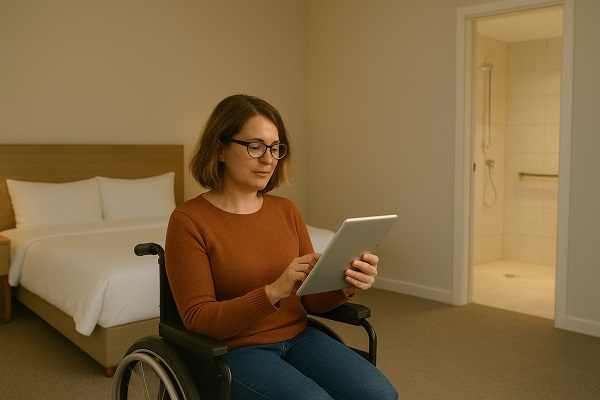
Travel should be a joyful experience for everyone, but for millions of people with disabilities, one question determines whether a trip is even possible: “Is the accommodation truly accessible?”
While hotels, resorts, and homestays often claim to be “disabled-friendly,” the reality on the ground can be very different. Accessible travel isn’t just about ramps—it’s about dignity, independence, and safety. This article takes a closer look at accommodation from a disability perspective, highlighting what works, what doesn’t, and why honest reviews matter more than ever.
The Problem: Accessibility Isn’t Just a Checkbox
Many places advertise accessibility simply because they have one ramp or one “accessible” room. But disability comes in many forms—mobility, visual, hearing, sensory, or cognitive. What works for one person may be unusable for another.
Some common misleading claims include:
“Wheelchair accessible” bathrooms that don’t have grab bars
Ramps that are too steep to use safely
Elevators available—only after climbing a few steps to reach them
Wide rooms, but narrow doorways
Staff who are polite but untrained in assisting disabled guests
For people with disabilities, these are not inconveniences—they can be dealbreakers.
What Truly Accessible Accommodation Should Offer
A genuinely accessible property checks multiple boxes, not just one. Key features include:
1. Step-Free Entry and Pathways
The entrance, lobby, rooms, and common areas should be accessible without stairs. Ramps must meet proper slope standards.
2. Wheelchair-Friendly Rooms
Wide doorways (minimum 32 inches)
Space to maneuver (150 cm turning radius)
Bed height suitable for easy transfer
3. Accessible Bathrooms
Roll-in showers
Stable grab bars near toilet and shower
Anti-slip flooring
Adjustable showerheads and shower benches
4. Visual and Hearing Accessibility
Vibrating or light-based alert systems
Braille labels and tactile signage
Closed captions on TV
Staff able to communicate in sign language (where possible)
5. Sensory-Friendly Features
Quiet rooms away from noisy hallways
Adjustable lighting
Minimal clutter and fragrances
6. Staff Training
A place isn’t accessible if the staff doesn’t know how to assist disabled guests respectfully and safely.
What Travelers with Disabilities Are Saying: Honest Real-Life Insights
Based on recurring themes from disability-focused travel reviews:
“The photos looked good, but the real room was impossible.”
Many listings show only the accessible bathroom—but leave out the steps at the entrance or narrow corridors.
“The staff didn’t understand my needs.”
A polite smile isn’t enough. Guests often report staff unaware of how to set up shower chairs, operate lifts, or handle mobility aids.
“The bed height was too high to transfer.”
Even luxury hotels forget this basic detail.
“Wheelchair accessibility ended at the restaurant.”
Buffets too high, tables too close together, or outdoor dining areas accessible only by stairs are common issues.
These honest reviews matter because they reveal the gap between what hotels promise and what they deliver.
Positive Experiences: What Good Looks Like
It’s not all bad news. Some accommodations are setting global standards:
Hotels that get it right often provide:
Complete accessibility audits
Visual walkthroughs and measured floor plans
On-site mobility or sensory equipment
Staff trained specifically for disability assistance
Shuttle services with wheelchair lifts
These places don’t see accessibility as an add-on—they see it as basic hospitality.